Classic Literature Writing Prompts for Middle Grades: Beyond the Story
Classic literature gives middle school students more than a good story to read. It introduces them to different times and places, challenges their assumptions, and encourages them to think about the choices people make. But sometimes, finishing a book is just the beginning of the learning.
That’s where classic literature writing prompts for middle grades can help.
Whether your student is reading an assigned book or choosing a favorite novel, these homeschool literature activities provide an opportunity to go beyond the story. Instead of simply answering comprehension questions, students examine characters, consider the author’s message, and develop their own ideas about what they’ve read.

Why Use Writing Prompts for Classic Literature?
Reading a book and writing about it are two different experiences. Literature-based writing activities encourage middle school students to slow down, examine what they’ve read, and put their thoughts into words. These activities help develop important skills while making the most of the books they’re already reading.
Here are a few reasons to incorporate literature-based writing activities into your homeschool.
Develop critical thinking skills. Middle school students are ready to look beyond the plot. Writing prompts give them a starting point to examine a character’s motivations, consider different perspectives, and evaluate the decisions that shape a story.
Strengthen writing skills. Responding to literature gives students practice organizing their thoughts, supporting opinions with evidence, developing paragraphs, and explaining their reasoning. These skills carry over into other subjects, including history, science, and composition.
Explore themes and life lessons. Classic books often raise questions about friendship, courage, responsibility, prejudice, freedom, and growing up. Writing about these subjects helps students consider how a story’s ideas relate to their own lives and the world around them.
Build confidence and independence. Not every writing assignment needs to be a formal essay. A short reflection or a paragraph exploring a character’s choices can help students learn to express their ideas without feeling overwhelmed by a lengthy assignment.
And perhaps best of all, writing prompts give students a reason to return to a book after they’ve finished reading it. A story that seemed simple at first may offer new insights when they take time to think about it.

Five Classic Literature Writing Prompts for Middle School
To give you an idea of how classic literature writing prompts for middle school can work in your homeschool, let’s look at five original writing prompts inspired by The Giver, by Lois Lowry.
Published in 1993, this novel follows Jonas, a boy growing up in a society that has eliminated many forms of pain, conflict, and individual choice. As Jonas learns more about his community, he begins to question whether a life without difficult choices is worth the cost.
Here are five sample writing prompts you can use with your student.
1. The Price of a Perfect Society
In Jonas’s community, many decisions are made for people in the name of safety and order. Imagine living in a place where you never had to make a difficult decision, but you also had very little freedom. Would you want to live there? Explain your answer, considering both the advantages and disadvantages.
2. When Rules Should Be Questioned
Jonas begins to question rules that he once accepted without hesitation. Describe a time when a character in a book, movie, or historical account questioned an established rule or tradition. What led the character to speak up, and what happened as a result?
3. The Importance of Memories
In The Giver, memories help Jonas understand experiences his community has forgotten. Why do you think memories, including difficult ones, are important to individuals and families? Explain how remembering the past can help people make better decisions in the future.
4. Seeing the World Differently
As Jonas learns more about his community, his understanding of the world changes. Choose a character from a book you’ve read whose perspective changes during the story. What causes the change, and how does it influence the character’s actions?
5. Freedom, Responsibility, and Choice
Jonas discovers that having choices can bring both freedom and responsibility. Which do you think matters more: having the freedom to make your own choices or having someone else make decisions to protect you? Develop your position with reasons and examples.
These prompts invite students to do more than recall details from a book. They encourage them to form opinions, explain their reasoning, and connect literary themes to broader questions.

Tips for Using Literature Writing Prompts in Your Homeschool
You don’t need to turn every book into a formal literature study. Writing prompts can fit into your existing homeschool routine without adding a lot of preparation.
Here are a few ways to use them.
Let your child choose the prompt. If you’re working with several prompts, allow your student to select the one that interests them most. Having a choice can make it easier to get started.
Keep assignments manageable. Some days, a paragraph is enough; other days, the writing will flow into a longer essay. Adjust the length to match your child’s abilities.
Encourage students to support their ideas. As middle schoolers grow as writers, they should learn to explain why they think something and point to examples from the text. You can encourage this without requiring a formal essay every time.
Make room for discussion. Talk about a prompt before your child begins writing. Asking questions and hearing another perspective can help students clarify their thoughts. You might even write about the same prompt and compare your responses.
Connect literature to your family’s values. Many classic books raise questions about honesty, courage, compassion, justice, and responsibility. For Christian homeschool families, these discussions can also provide opportunities to consider biblical principles and how they apply to the characters’ choices.
Remember, the goal isn’t to find one perfect answer to every question. It’s to help your child learn to think, reflect, and communicate ideas clearly.

Make Classic Literature Part of Your Writing Routine
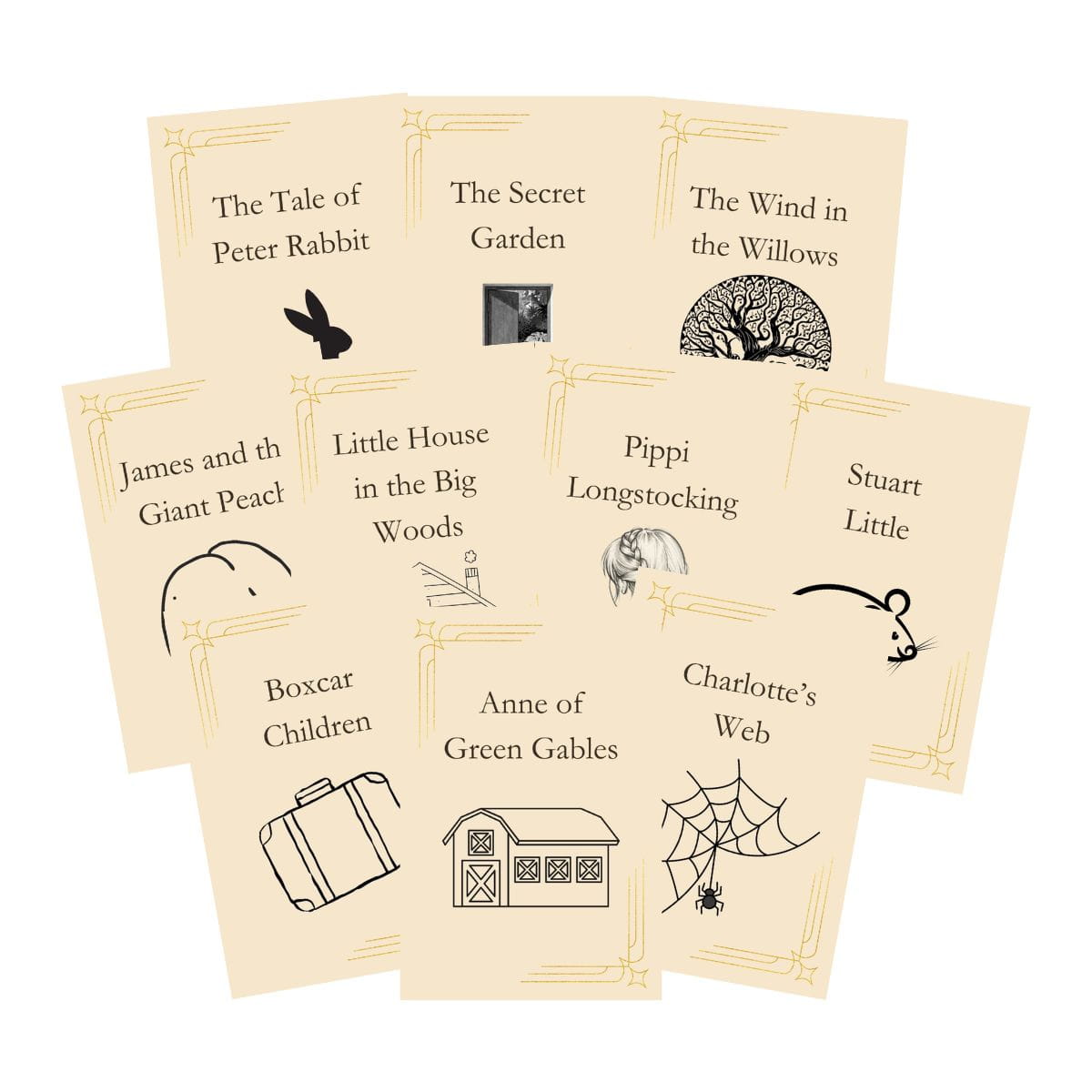
If you’d like an easy way to incorporate these activities into your homeschool, I’ve compiled 20 prompts each for ten different books that cover Classic Literature for students in grades 6–8.
Choose the format that works best for your family:
Sign up to receive a writing prompt by email each weekday for 20 days. It’s an easy way to introduce literature-based writing into your homeschool routine, one prompt at a time, for free.
Or, you can purchase the PDF of 20 prompts for any of the books and keep them handy as you plan your literature studies.
Looking for prompts for early grades? Click here! Need some for high school? Click here!
Final Thoughts
Middle school is an important time for students to grow as readers and writers. They’re beginning to recognize that stories can hold more than one meaning, that characters can make complicated choices, and that a book can raise questions worth considering long after the final page.
Classic literature writing prompts help your child explore those ideas while practicing the skills needed to become a more capable writer.
You don’t need to create elaborate assignments or spend hours preparing literature lessons. Sometimes, one thoughtful question is enough to get your child thinking and writing. You may be surprised by the ideas they discover along the way!

Just Starting?
If you are new to homeschooling (or not) and need a little extra support for this adventure, you’ll love being on my email list. Sign up below for a weekly dose of encouragement along with a writing prompt you can use with your child(ren). Let’s raise writers and shape hearts—together!