Classic Literature Writing Prompts for High School: Beyond the Words
Classic literature gives high school students the opportunity to explore complex characters, examine different perspectives, and consider questions that have challenged readers for generations. But reading a great book is only part of the learning process. What is the author really trying to impart with the words they use?
By using classic literature writing prompts for high school, your student will learn to organize their thoughts, develop their own interpretations, and support their ideas with evidence from the text.
Whether your student is reading a familiar favorite or encountering a classic for the first time, these prompts provide a practical way to turn reading into an opportunity for deeper learning.

Why Use Writing Prompts for Classic Literature?
Classic books offer much more than a story to enjoy. They introduce readers to different historical periods, cultural expectations, moral dilemmas, and questions about human nature. Writing prompts help students slow down, examine these ideas, and develop their own responses to what they read.
Here are a few ways writing prompts can enrich your high school literature studies.
Strengthen literary analysis skills. High school students are ready to move beyond summarizing a plot. Writing prompts encourage them to examine themes, symbolism, characterization, point of view, and the author’s purpose. They also provide opportunities to practice supporting interpretations with specific details from the text.
Develop critical thinking. Many classic books explore complicated questions without offering easy answers. Students can consider a character’s decisions, evaluate conflicting viewpoints, and explain why they agree or disagree with an author’s message. These exercises help them form independent opinions and communicate their reasoning clearly.
Improve writing skills. Responding to literature gives students practice with analytical paragraphs, persuasive arguments, and longer essays. They learn to organize ideas, choose relevant evidence, and explain their conclusions rather than simply stating an opinion.
Connect literature to real life. Themes such as friendship, justice, responsibility, courage, and forgiveness remain relevant across generations. Prompts can help students consider how a character’s experiences relate to their own lives, their communities, and the values they hold.
For Christian homeschool families, literature can also provide opportunities to discuss moral choices, personal responsibility, compassion, and the consequences of our actions. These conversations can help students consider how the ideas presented in a book align with their faith and understanding of Scripture.

Five Sample Classic Literature Writing Prompts for High School
To give you an idea of how these prompts work, let’s look at The Outsiders by S. E. Hinton. Although it is a more recent work than many traditional classics, this novel has become a widely recognized modern classic. Its exploration of identity, social divisions, loyalty, and belonging makes it a useful example of the kinds of questions high school students can explore through writing.
Here are five sample prompts inspired by the book:
1. Identity and Labels
Throughout the novel, characters are often judged by the social group to which they belong. How do these labels influence the way others treat them? Discuss whether the characters’ actions reinforce or challenge the assumptions people make about them.
2. The Meaning of Friendship
Examine the friendships in the novel. How do loyalty and a sense of belonging influence the characters’ decisions? Discuss a situation in which loyalty helps a character and another in which it may lead to a difficult choice.
3. Looking Beyond First Impressions
Choose two characters who initially seem very different from one another. Identify an experience, belief, or emotion they have in common. What does this comparison suggest about the danger of judging people based on appearances or reputation?
4. The Power of Perspective
The story is told from Ponyboy’s point of view. How does his perspective shape the reader’s understanding of the conflict between the Greasers and the Socs? Explain how the story might change if another character narrated it.
5. Choices and Consequences
Choose a significant decision made by one of the characters. Explain the circumstances surrounding the decision, the consequences that follow, and what the situation reveals about the character’s values or personal growth.
These examples illustrate how a single book can inspire a variety of writing assignments. Some prompts focus on character and theme, while others encourage students to analyze the author’s choices or evaluate the consequences of a character’s actions.
Your student can respond in a well-developed paragraph, write a longer essay, or use a prompt as the starting point for a thoughtful discussion before writing.

Tips for Using Literature Writing Prompts in Your Homeschool
One of the advantages of using writing prompts alongside your literature curriculum is that you can adapt them to your student’s needs and your family’s schedule.
Here are a few practical ways to get started.
Choose prompts that fit your current reading. You don’t have to wait until your student finishes an entire book. Use a prompt after completing a chapter or major section if it relates to what your student has read so far. Other prompts may be better suited to the end of the book, when your student can consider the story as a whole.
Encourage your student to support ideas with evidence. Rather than accepting a response that simply states an opinion, ask your student to identify a scene, quotation, or character action that supports the conclusion. This practice builds skills that will be useful in other assignments and college-level writing.
Vary the length and format of responses. Some prompts work well as short journal entries, while others deserve a multi-paragraph response or formal essay. Let the purpose of the prompt and your student’s current writing goals guide the assignment.
Use discussion to prepare for writing. If your student struggles to get started, talk through the question together. Ask what stood out, which characters or events support the student’s thinking, and what conclusions might be drawn. Then give your student time to organize those ideas independently on paper.
Allow room for personal reflection. Literary analysis is important, but students can also benefit from considering how a book’s ideas connect to their own experiences and beliefs. Encourage thoughtful reflection while reminding students to distinguish their personal responses from claims they make about the text.
Most importantly, remember that writing about literature doesn’t have to become another complicated part of your homeschool day. A clear question, a book your student is already reading, and a little time to think can provide a worthwhile writing experience.

Explore Classic Literature Writing Prompts for High School
Are you ready to add literature-based writing prompts to your homeschool day?
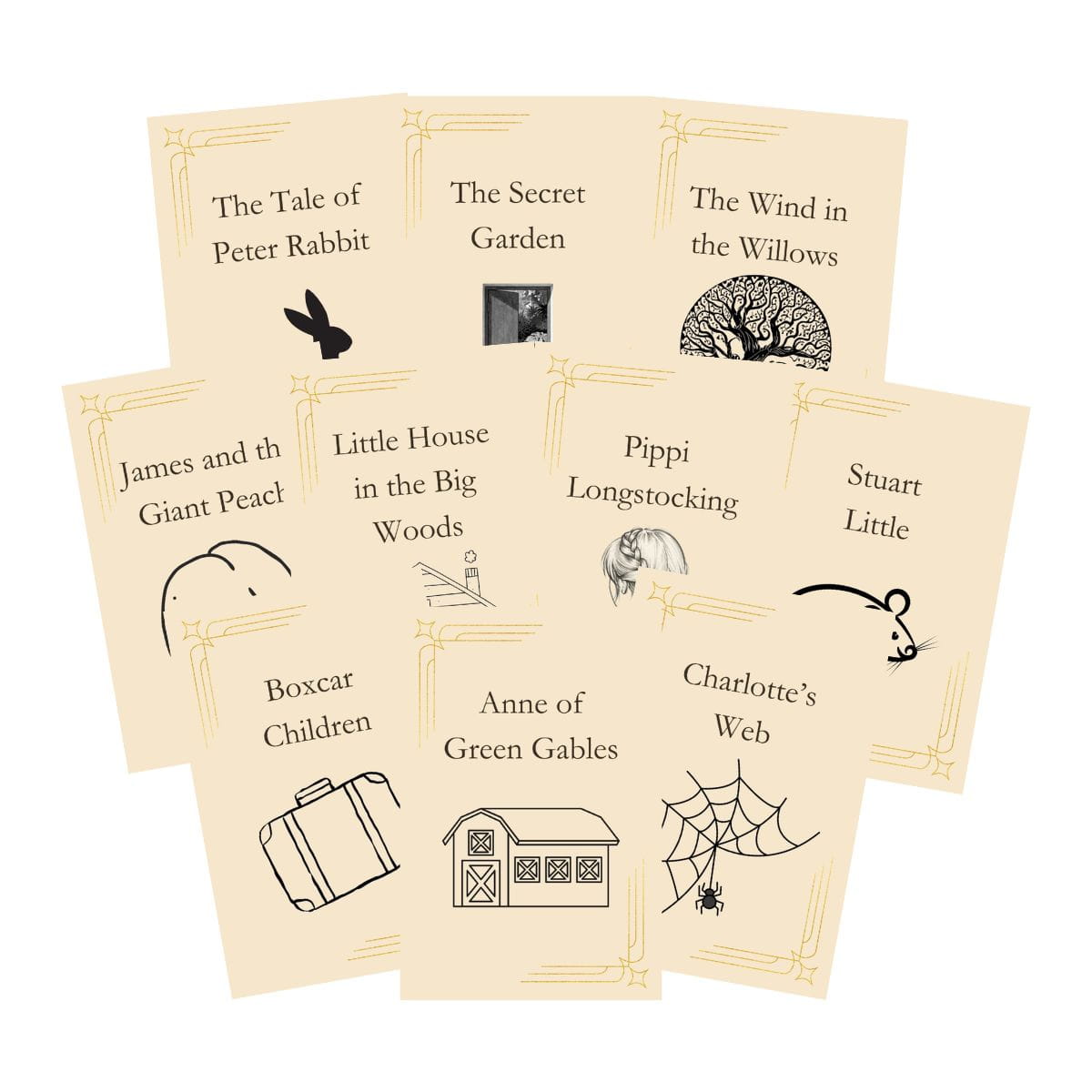
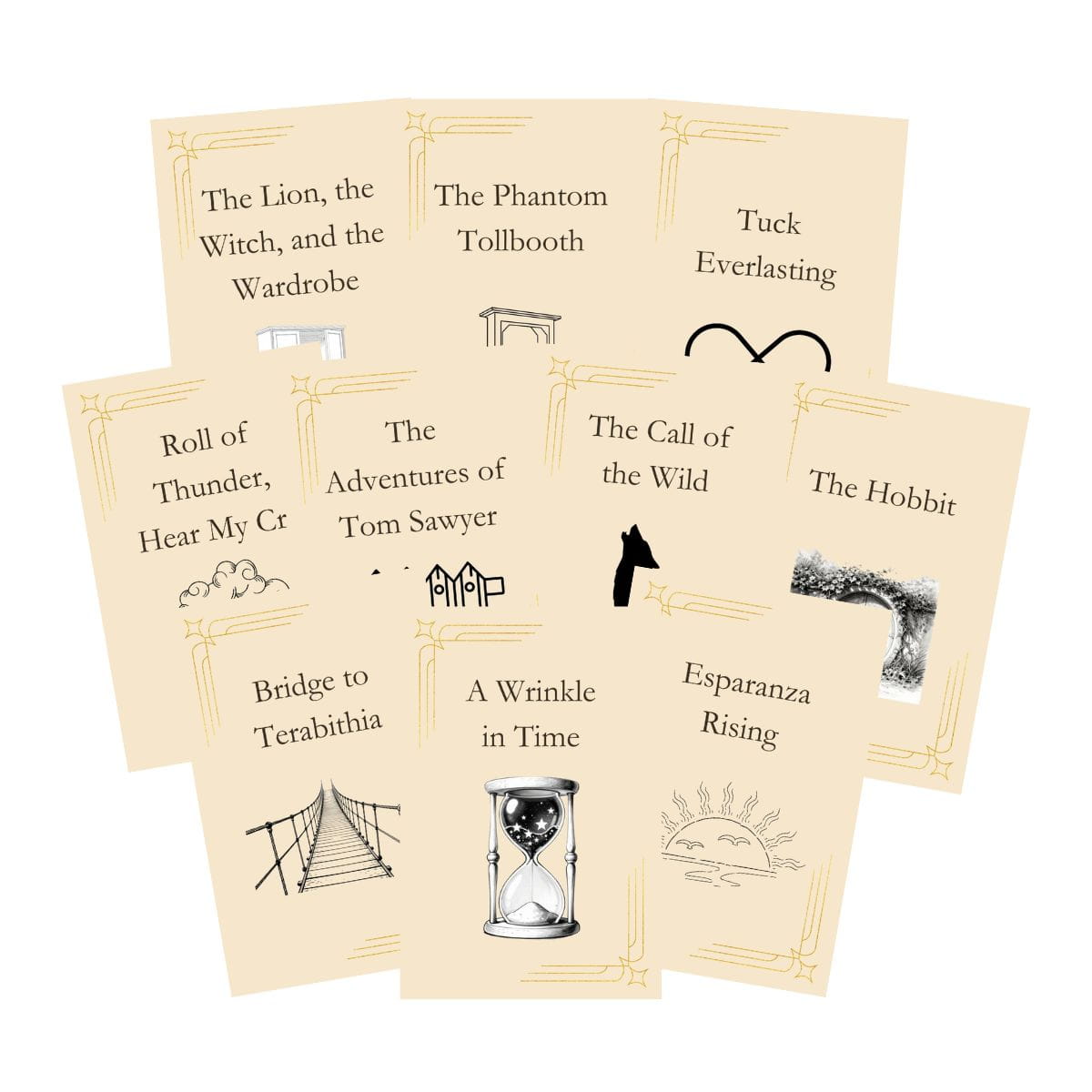
If so, I’ve compiled 20 prompts each for ten different books that cover Classic Literature for high school students.
Choose the format that works best for your family:
Sign up to receive a writing prompt by email each weekday for 20 days. It’s an easy way to introduce literature-based writing into your homeschool routine, one prompt at a time, for free.
Or, you can purchase the PDF of 20 prompts for any of the books and keep them handy as you plan your literature studies.
Whichever path you choose, no complicated lesson preparation is needed. Simply choose a book, select a prompt, and give your student time to think and write.
Looking for prompts for early grades? Click here! Need some for middle school? Click here!
Final Thoughts
Reading classic literature helps high school students encounter new ideas, consider different perspectives, and explore questions about the world and the people who live in it. Writing about those books gives students an opportunity to put their thoughts into words, develop their reasoning, and communicate their ideas with confidence.
You don’t have to create every writing assignment from scratch to give your student these opportunities. With a collection of carefully chosen literature writing prompts, you can supplement your existing curriculum and help your student get more from the books they’re reading.
You may be surprised by how much your student discovers when given the opportunity to look beyond the words on the page, ask questions, and explore ideas through writing.

Just Starting?
If you are new to homeschooling (or not) and need a little extra support for this adventure, you’ll love being on my email list. Sign up below for a weekly dose of encouragement along with a writing prompt you can use with your child(ren). Let’s raise writers and shape hearts—together!